

Intracept
At iSpine Clinics, we offer the Intracept Procedure™—a minimally invasive outpatient treatment designed to provide long-term relief for chronic low back pain that originates from the vertebral endplates (the bones adjacent to spinal discs).
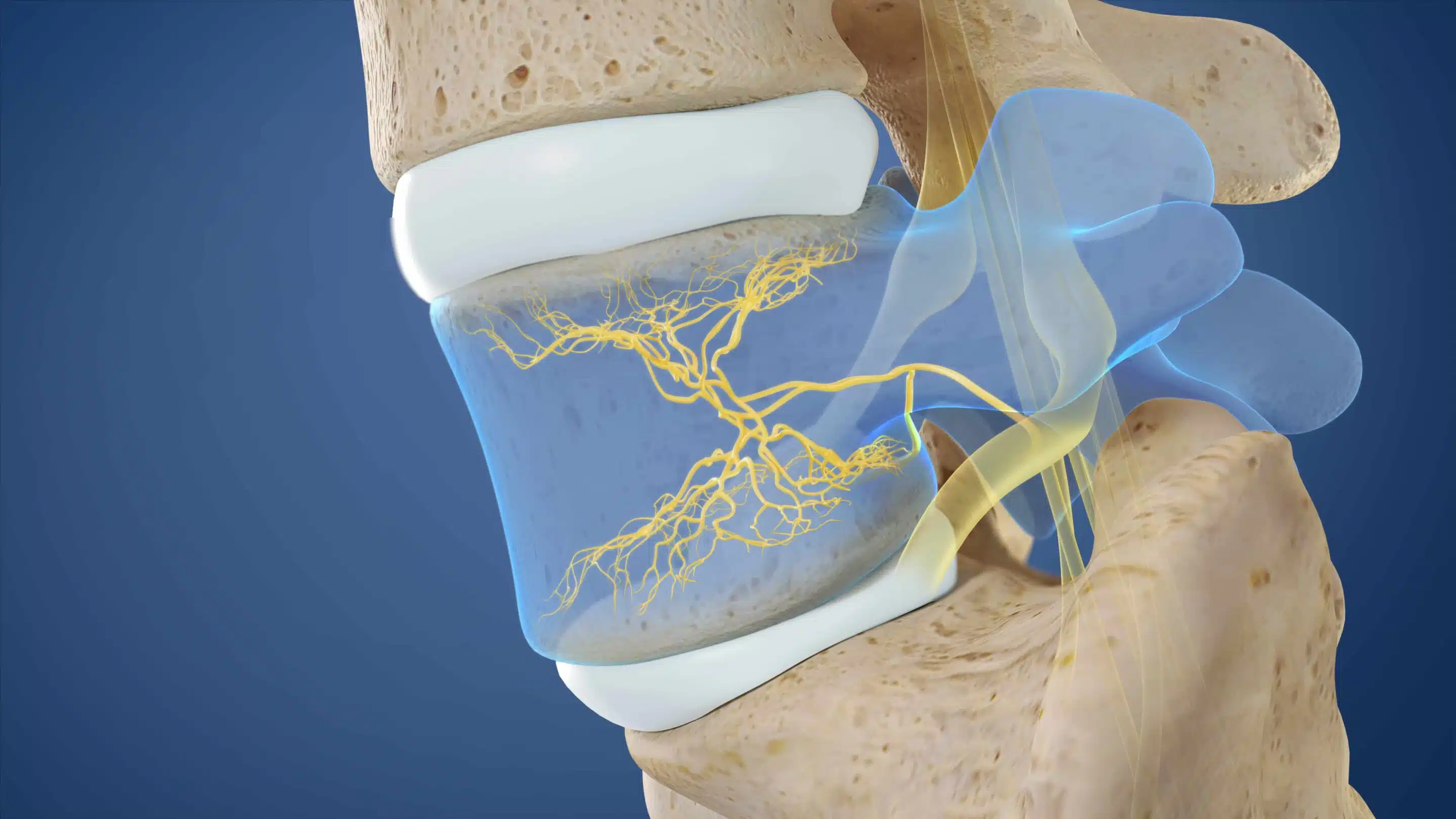
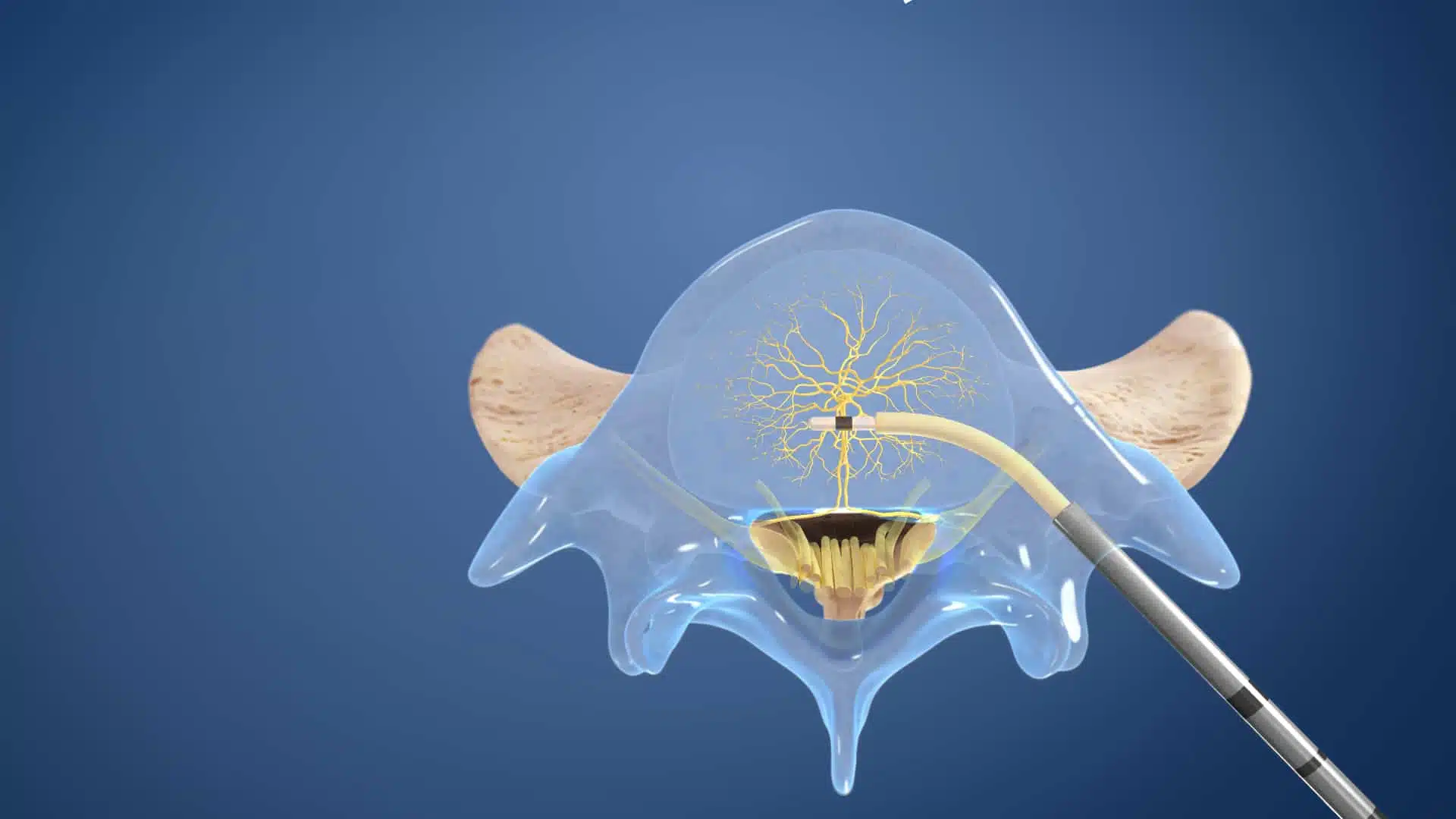
This type of pain, called vertebrogenic pain, is caused by nerve signals coming from the basivertebral nerve inside the vertebra. The Intracept procedure uses radiofrequency energy to deactivate (ablate) the basivertebral nerve, preventing it from sending pain signals to the brain.
Unlike spinal fusion or disc replacement, Intracept does not involve implants, hardware, or removing tissue—making it less invasive with faster recovery. iSpine Clinics considers this procedure for patients seeking relief from chronic low back pain of at least six months duration that has not responded to conservative care and accompanied by bone changes found on an MRI study.
Who Benefits from Intracept
You may be a candidate for the Intracept procedure if you have:
- Chronic low back pain lasting 6 months or longer
- Pain that has not improved with conservative treatments (e.g., physical therapy, medications, injections)
- Vertebrogenic pain, confirmed by MRI, showing Modic Type 1 or Type 2 changes (inflammation and degeneration in the vertebral endplates)
- Pain that is localized to the lower back (not radiating heavily into the legs)
- Pain that worsens with prolonged sitting, standing, or bending forward
- This procedure is not typically for disc herniations, spinal stenosis, or pain caused primarily by muscles or joints.
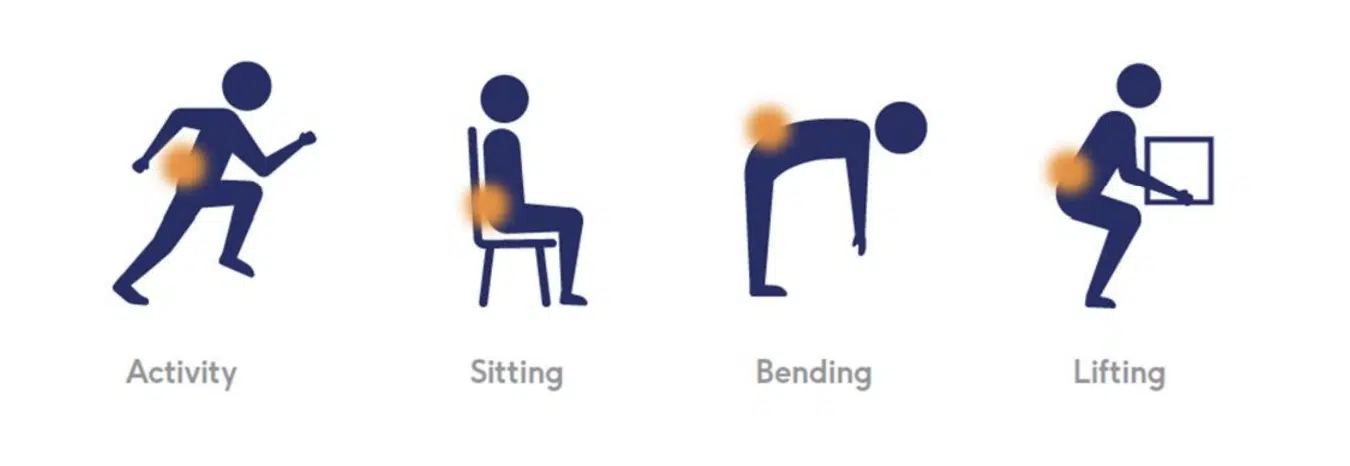
Patients who find relief from the Intracept™ Procedure often describe pain in the middle of their low back that is made worse by physical activity, prolonged sitting, and bending forward, or with bending and lifting.
What to Expect
- Preparation: You may be asked to fast for several hours. An IV line will be placed for sedation or anesthesia.
- Positioning: You will lie face down on an X-ray table.
- Guidance: Using fluoroscopy (live X-ray), the physician inserts a specialized probe into the targeted vertebra.
- Ablation: The probe delivers controlled radiofrequency energy to the basivertebral nerve, disabling it from transmitting pain signals.
- Duration: The procedure typically lasts 60–90 minutes.
- Outpatient: Patients go home the same day.
After the Procedure
- Immediate Recovery: You will be monitored for a short period after the procedure, then discharged home.
- Soreness: Some localized back soreness or discomfort is common for a few days.
- Pain Relief Timeline: Pain improvement may begin within 2–6 weeks and continues to build as the body adjusts. Many patients experience significant and lasting relief.
Recovery and Aftercare
- Rest: Take it easy for the first 24–48 hours. Avoid strenuous activity initially.
- Return to Activity: Most patients resume light activity or return to work within a few days to a week, depending on the physical demands of their job.
- Physical Therapy: Your physician may recommend exercises or therapy to strengthen the back and improve mobility.
- Long-Term Relief: Studies show the Intracept procedure provides durable pain relief lasting 5+ years in many patients, improving function and reducing reliance on pain medications.
Choose Boston Scientific's Intracept® Technology for Proven Relief
- NEARLY 80% of patients in a recent long-term study would have the Intracept™ Procedure again for the same condition.
- AFTER 5 YEARS, 65% of patients reported they had resumed the level of activity they enjoyed prior to low back pain in a recent long-term study.
- LESS THAN 0.3% rate of serious device or procedure-related complications reported.
- BASED ON OVER 25 YEARS of research.
Risks and Considerations
The Intracept procedure is considered safe, but possible risks include:
- Temporary soreness at the treatment site
- Bleeding or infection (rare)
- Nerve irritation or unusual sensations (uncommon)
Unlike spinal surgery, the procedure does not alter spinal anatomy, place implants, or limit future treatment options.