

Radiofrequency (Nerve) Ablations (RFA)
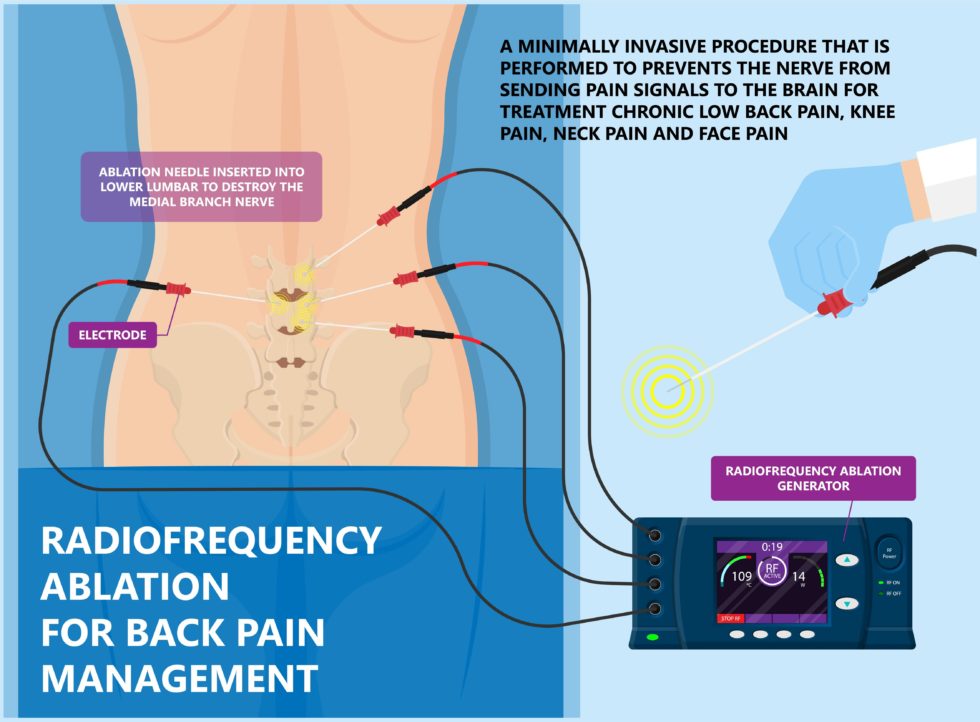
Radiofrequency nerve ablation (RFA) is a minimally invasive procedure that uses heat generated by radiofrequency energy to temporarily disrupts nerve fibers that are transmitting pain signals to the brain. By disrupting these pain pathways, RFA can provide long-lasting relief for chronic pain conditions.
RFA is often performed after diagnostic nerve blocks confirm that the targeted nerves are the true source of pain.
Who Benefits from RFA
You may be a candidate for RFA if you experience:
- Chronic back, or neck pain lasting more than 3–6 months
- Pain related to facet joint arthritis (spinal joints)
- Pain that improves temporarily with medial branch blocks
- Localized pain that does not radiate far down the arms or legs
- Limited response to medications, physical therapy, or other conservative treatments
- RFA is often considered for patients with spinal arthritis, degenerative changes, or nerve-related joint pain.
What to Expect
Meet Dr. Faltas with iSpine Clinics and learn more about what to expect during a RFA procedure.
- Preparation: You may be asked to fast for a few hours before the procedure. An IV line may be placed for comfort medication or mild sedation.
- Positioning: You will lie on an X-ray table, typically face down for back procedures.
- Guidance: Using fluoroscopy (X-ray) or ultrasound, the physician guides a special needle to the targeted nerve area.
- Testing: A small electrical current may be used to confirm the correct nerve and reproduce your pain. You might feel a tingling or twitch.
- Ablation: The tip of the needle delivers radiofrequency energy, heating the nerve tissue for 60–90 seconds, which disrupts its ability to transmit pain signals.
- Duration: The procedure typically lasts 30 minutes or less, depending on how many nerves are treated.
- You will be monitored afterward and usually discharged the same day.
After the Procedure
- Immediate Effects: Some patients feel relief right away, but more commonly, pain relief develops gradually over 1–3 weeks as the nerve fully stops sending pain signals.
- Soreness: Temporary soreness or a sunburn-like sensation at the injection site is common for a few days.
- Pain Flare: A short-term increase in pain may occur before improvement is noticed.
*RFA typically does not affect motor function—it only targets sensory nerves.
Recovery and Aftercare
- Rest: Take it easy on the day of the procedure. Avoid strenuous activity for 24 hours.
- Ice: Apply an ice pack to the injection site for 15–20 minutes at a time to reduce soreness.
- Activity: Most patients return to work or light activities within 1–2 days, gradually resuming normal activity as tolerated.
- Medications: Continue prescribed medications unless directed otherwise. Use over-the-counter pain relievers if needed.
- Physical Therapy: Many providers recommend therapy or stretching exercises after RFA to help restore strength and mobility.
How Long Do Results Last?
- Pain relief can last 6–12 months.
- Nerves can regrow over time, so pain may return. If needed, the procedure can be repeated when symptoms recur.
- Many patients report significant improvement in function, mobility, and reduced need for pain medication.
Risks and Considerations
RFA is generally safe, but as with any procedure, there are risks, including:
- Temporary pain flare or numbness
- Localized bleeding or infection (rare)
- Nerve irritation causing tingling or burning sensations
- Weakness (uncommon, since motor nerves are usually avoided)